You check your phone dozens of times a day, but have you ever stopped to wonder if that strange pop-up ad or sudden battery drain is actually a virus? The short answer is yes, your smartphone can get a virus, though the way mobile malware works is often different from what you might expect on a traditional computer. In 2026, with over 6.8 billion smartphone users worldwide, mobile devices have become prime targets for cybercriminals looking to steal personal data, banking information, and even take control of your device.
Understanding mobile viruses is no longer optional for the average user. Whether you use an iPhone or an Android device, knowing how these threats operate, how they infect your phone, and what you can do to protect yourself is essential for maintaining your digital privacy and security. This comprehensive guide will walk you through everything you need to know about cell phone viruses in 2026, from how they spread to the most effective prevention strategies.
What Exactly Is a Cell Phone Virus and How Does It Work?
A cell phone virus is a type of malicious software, commonly called malware, designed specifically to infect mobile operating systems like iOS and Android. Unlike computer viruses that often replicate themselves by attaching to files, mobile viruses typically operate as standalone apps or scripts that exploit vulnerabilities in the operating system. In 2026, the most common forms of mobile malware include trojans disguised as legitimate apps, spyware that monitors your activity, ransomware that locks your files, and ad that bombards you with unwanted advertisements.
The way a virus infects your phone usually involves tricking you into installing something you should not. For example, you might download a free game from a third-party app store that actually contains hidden malware, or you might click on a link in a text message that claims you have won a prize. Once installed, the virus can perform a range of harmful actions. It might steal your contacts and messages, record your keystrokes to capture passwords, use your phone to send premium-rate text messages without your knowledge, or even turn your device into part of a botnet used for larger cyberattacks.
It is important to note that iPhones are generally more secure than Android devices due to Apple's strict app review process and sandboxed operating system. However, no device is completely immune. In 2025, security researchers a sophisticated piece of spyware called "Pegasus 2.0" that could infect iPhones through a zero-click exploit, meaning the user did not need to click anything for the infection to occur. This highlights that while the risk is lower for iOS users, it is not zero, and staying informed about current threats is crucial for everyone.
Common Signs Your Phone Might Be Infected With a Virus
Recognizing the symptoms of a mobile virus early can save you from significant data loss or financial damage. One of the most obvious signs is a sudden and dramatic decrease in battery life. If your phone is running hot even when you are not using it, or if the battery drains from 100% to 20% just a few hours, malware could be running in the background consuming resources. Another common indicator is a noticeable slowdown in performance. Apps may take longer to open, the screen might freeze frequently, or your phone might restart unexpectedly without any apparent reason.
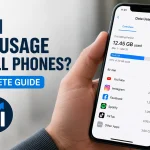
Unexplained data usage is another major red flag. Many types of malware communicate with remote servers to send stolen data or download additional malicious payloads. If you receive an alert from your carrier about exceeding your data cap, or if you notice your data usage spiking when you have not changed your browsing habits, it is worth investigating. Additionally, be wary of strange pop-up ads that appear even when you are not using a browser, or apps appearing on your home screen that you do not remember installing. These are classic signs of adware or a trojan at work.
Perhaps most concerning sign is unauthorized financial activity. If you see charges on your credit card for services you did not purchase, or if your contacts report receiving strange messages from your number, your phone may be compromised. Some malware is designed to intercept two-factor authentication codes sent via SMS, giving attackers access to your bank accounts and social media profiles. If you notice any of these symptoms, it is critical to act quickly by running a security scan, removing suspicious apps, and changing your passwords from a different, trusted device.
How Do Viruses Actually Onto Your Smartphone?
The most common way viruses infect smartphones is through malicious apps downloaded from unofficial sources. While the Google Play Store and Apple App Store have security measures place, they are not foolproof. In 2025 alone, Google removed over 1.5 million malicious apps from the Play Store, but many slip through the cracks. Third-party app stores, sideloaded apps, and direct APK downloads from websites are significantly riskier and account for the majority of Android infections. For iPhone users, the primary risk comes from jailbreaking the device, which removes Apple's security restrictions and opens the door to malware.
Phishing attacks have become increasingly sophisticated on mobile devices. You might receive a text message that looks like it is from your bank, a delivery service like FedEx, or even a family member, asking you to click a link. These links often lead fake login pages that steal your credentials, or they automatically download malware onto your phone. In 2026, attackers are also using AI-generated voice calls and deepfake videos to trick users into granting remote access to their devices. These social engineering tactics are highly effective because they exploit human trust rather than technical vulnerabilities.
Public Wi-Fi networks remain a significant vector for mobile malware. When you connect to an unsecured Wi-Fi network at a coffee shop, airport, or hotel, attackers on the same network can intercept your data or inject malware into your device through a man-in-the-middle attack. Additionally, Bluetooth vulnerabilities have been exploited in the past, allowing malware to spread between devices in close proximity. The key takeaway is that viruses rarely appear out of nowhere; they almost always require some action from the user, whether it is downloading an app, clicking a link, or connecting to an insecure network.
Step-by-Step Guide to Removing a Virus From Your Phone
If you suspect your phone has a virus, the first step is to put it into Airplane Mode immediately. This cuts off the malware's connection to the internet, preventing it from sending your data to attackers or downloading additional harmful files. Next, you should boot your phone into Safe Mode, which disables all third-party apps. On most Android devices, you can do this by holding the power button and then long-pressing the "Power off" option. On an iPhone, Safe Mode is only available on jailbroken devices, so you may need to skip this step. Once in Safe Mode, go through your app list and uninstall any you do not recognize or that were installed around the time the problems started.
After removing suspicious apps, run a full security scan a reputable mobile antivirus app. In 2026, top-rated options include Bitdefender Mobile Security, Norton 360 for Mobile, and Malwarebytes. These apps can detect and remove most known malware strains. If the antivirus scan finds nothing but you still suspect an infection, you may need to back up your data (photos, contacts, documents) to a cloud service or computer, and then perform a factory reset. This will wipe your phone completely clean, removing all apps and settings, including any hidden malware. Be sure to restore your data from a backup that was created before the infection occurred, as the malware could be embedded in recent backups.
For iPhone users who have not jailbroken their device, the process is simpler. Since iOS is highly restrictive, most malware cannot survive a simple restart or app deletion. If you are experiencing persistent issues, go to Settings > General > iPhone Storage and look for any apps you do not recognize. Delete them, then update your iOS to the latest version, as Apple frequently releases security patches. If the problem persists, a factory reset through Settings > General > Transfer or Reset iPhone is the most reliable solution. Remember to change all your passwords after cleaning your device, especially for email, banking, and social media accounts, as the malware may have already captured them.
Key Takeaways
- ✓ Cell phones can absolutely get viruses, with Android devices being more vulnerable than iPhones due to sideloading and third-party app stores.
- ✓ Common signs of infection include rapid battery drain, performance slowdowns, unexplained data usage, and unauthorized financial transactions.
- ✓ Viruses typically enter your phone through malicious apps, phishing links in texts or emails, and unsecured public Wi-Fi networks.
- ✓ To remove a virus, immediately enable Airplane Mode, boot into Safe Mode, uninstall suspicious apps, run a security scan, perform a factory reset if necessary.
- ✓ Prevention is key: only download from official stores, keep your software updated, use a VPN on public Wi-Fi, and be skeptical of unsolicited messages.
Frequently Asked Questions
Can iPhones get viruses?
Yes, iPhones can get viruses, but the risk is significantly lower than on Android devices. Apple closed ecosystem, strict app review process, and sandboxing make it much harder for malware to infect iOS. However, sophisticated threats like zero-click exploits (e.g., Pegasus spyware) have been found in the wild. Jailbreaking your iPhone dramatically increases your risk, as it removes Apple's built-in security protections. For most users who do not jailbreak and only download apps from the App Store, the chance of getting a virus is very low.
Q How can I check my phone for viruses without an app?
You can manually check for viruses by looking for the common signs mentioned in this article: unusual battery drain, performance lag, unexpected pop-ups, and strange apps on your home screen. On Android, go to Settings > Apps and look for apps with generic names or no icon. On iPhone, check Settings > General > iPhone Storage for unfamiliar apps. You can also review your data usage in Settings to see if any app is consuming excessive data. However, for a thorough check, using a reputable antivirus app is recommended, as many modern malware strains are designed to hide from manual inspection.
Will a factory reset remove all viruses from my phone?
Yes, a factory reset will remove virtually all viruses and malware from your phone, as it wipes the device clean and restores it to its original出厂 state, there are two important caveats. First, some advanced malware can infect the device's firmware or bootloader, which may survive a standard factory reset. This is extremely rare and typically only seen in targeted attacks. Second, if you restore your data from a backup that was created after the occurred, you may reintroduce the malware. To be safe, only restore from a backup made before the infection, or set up phone as a new device.
Can a virus on my phone steal my banking information?
Absolutely. This is one of the primary goals of modern mobile malware. Banking trojans like "EventBot" and "TeaBot" are designed to overlay fake login screens on top of legitimate banking apps, capturing your username and password as you type. Other malware can intercept SMS messages containing two-factor authentication codes, giving attackers full access to your accounts. To protect yourself, always use your bank's official app from the app store, enable biometric authentication (fingerprint or face ID), and never click on links in text messages claiming to be from your bank.
Do I need antivirus software on my phone in 2026?
While not strictly necessary for every user, antivirus software provides an excellent additional layer of security, especially for Android users. Modern mobile antivirus apps do more than just scan for malware; offer features like safe browsing protection, Wi-Fi network scanning, anti-phishing alerts, and app permission monitoring. For iPhone users, the built-in security features are generally sufficient, but an antivirus app can still help with phishing protection and checking links before you click. If you frequently download apps, use public Wi-Fi, or handle sensitive data on your phone, investing in a reputable mobile security app is a wise decision.
Conclusion
In 2026, the question is no longer whether cell phones can get viruses, but how well you are prepared to prevent and respond to them We have covered the nature of mobile malware, the telltale signs of an infection, the common ways viruses spread, a clear removal process, and the best prevention strategies. The digital landscape is constantly evolving, and cybercriminals are becoming more sophisticated every year. However, by staying informed and adopting a proactive security mindset, you can protect your personal data, your finances, and your privacy.
Take action today by reviewing the apps on your phone, enabling automatic updates, and installing a trusted security app if you have not already. Share this information with friends and family, especially those who may be less tech-savvy, as they are often the most vulnerable to attacks. Remember, your smartphone is a powerful tool, but it is also a gateway to your digital life. Treat it with the same caution and care you would your wallet or your home keys. Stay safe, stay updated, and stay vigilant.

Daniel Mitchell is a home appliances specialist with over a decade of hands-on experience testing, reviewing, and comparing everyday household products. He focuses on helping homeowners make smarter buying decisions through practical insights, real-world testing, and easy-to-understand advice. Daniel covers everything from kitchen appliances to smart home solutions, with a strong emphasis on performance, energy efficiency, and long-term reliability.