Your smartphone is a vault containing your financial details, private conversations, and digital identity. But what if a silent intruder has already picked the lock? In 2026, phone hacking is no longer just the domain of high-stakes espionage; it's a pervasive threat targeting everyday individuals through sophisticated, automated attacks. Recognizing the signs of a compromised device is the first and most critical line of defense in our hyper-connected world.
This topic matters because the consequences of a hacked phone are profoundly personal and financially devastating. From drained bank accounts to stolen identity and blackmail, the fallout can take years to resolve. This article will equip you with the knowledge to identify the subtle and not-so-subtle red flags of a phone hack. You will learn the technical symptoms, the behavioral clues, and the immediate, actionable steps to reclaim your digital security and protect your personal data from unauthorized access.
Unusual Performance and Battery Issues
One of the most common early indicators of a phone hack is a sudden, unexplained deterioration in your device's performance and battery life. Malicious software, such as spyware or cryptojacking malware, runs continuously in the background, consuming significant processing power and resources. Your phone may feel noticeably slower, apps may take longer to open, or the device might become unusually warm to the touch even during simple tasks like texting or reading emails. This is because the hacker's software is actively recording, transmitting data, or using your phone's processor for its own purposes.
For example, a cryptojacking attack secretly uses your phone's CPU to mine cryptocurrency for the hacker. This process is incredibly resource-intensive, leading to rapid battery drain and potential overheating. You might find a phone that once lasted a full day now dying by mid-afternoon, despite no change in your usage patterns. Similarly, spyware like Pegasus or its countless commercial variants runs sophisticated surveillance operations that tax the system. It's crucial to differentiate this from normal battery degradation over time; the key is the sudden onset of these issues.
To investigate, navigate to your phone's battery usage settings (found in Settings > Battery on both iOS and Android). Look for apps consuming a disproportionate percentage of battery despite minimal use. If you see an unfamiliar app or a system process using an excessive amount, it could be a red flag. As a practical step, try rebooting your phone into Safe Mode (which disables all third-party apps). If performance improves dramatically and battery drain normalizes in Safe Mode, a malicious app is likely the culprit.
Suspicious Data Usage and Network Activity
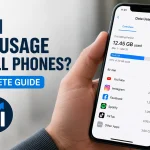
Hacked phones are data leeches. Malware needs to communicate with its command-and-control server to send stolen information (like passwords, photos, or location data) and receive new instructions. This exfiltration of your personal data will manifest as a mysterious spike in your mobile data usage. If you notice your data cap is being reached unusually quickly without a corresponding increase in your streaming or downloading habits, it's a major warning sign. Monitor your monthly statements and use your carrier's app to check for real-time data alerts.
Beyond data volume, watch for strange network behavior. You might see your mobile data icon active when your phone is idle, or your phone might struggle to enter sleep mode because background processes are maintaining a network connection. Another telltale sign is receiving unexpected SMS messages containing strange strings of characters or symbols. These could be encoded commands from the hacker's server meant to control the malware on your device. Similarly, if your contacts report getting strange texts or spam from your number, your phone's messaging system may be compromised and used as a relay.
Take immediate action by auditing your data usage. On both iOS and Android, go to Settings > Cellular or Network & Internet to see which apps are using the most data. Be suspicious of any app you don't recognize or a legitimate app using gigabytes of data in the background. As a defensive measure, consider using a firewall app (more readily available on Android) to monitor and block suspicious network connections. For the average user, a factory reset (after backing up clean data) is often the most effective way to sever a hacker's connection, but ensure you change all passwords from a separate, trusted device first.
Unexpected App Behavior and Unknown Installations
Account Anomalies and Financial Red Flags
The ultimate goal of most phone hackers is financial gain or identity theft. Therefore, anomalies in your linked online accounts are among the most serious signs. You might receive unexpected two-factor authentication (2FA) codes via SMS or email for logins you didn't initiate. This means someone else has your password and is trying to access your account, with your phone receiving the verification code. Conversely, if you suddenly stop receiving expected 2FA codes or notifications from your bank, a hacker may have diverted your messages.
Check your email and social media accounts for sent messages you didn't write, or for password reset notifications you didn't request. Examine your phone's call log for outgoing calls to premium-rate international numbers you don't recognize—a tactic known as "wangiri" fraud. Most critically, review your bank and credit card statements meticulously for small, unauthorized test transactions (often under $5) or larger fraudulent purchases. Hackers will test the waters with micro-transactions before draining an account.
Immediately enable 2FA on all critical accounts (using an authenticator app like Google Authenticator or Authy, not SMS, for higher security). Set up transaction alerts with your bank for any activity over a minimal amount. If you see any sign of account compromise, change your passwords immediately using a different, trusted device. Use a unique, strong password for every account, managed by a reputable password manager. This compartmentalizes your security so a breach on one account doesn't cascade to all others.
Proactive Protection and Immediate Response Plan
Prevention is vastly more effective than reaction in the realm of phone security. In 2026, your first line of defense is keeping your phone's operating system and all apps updated. These updates frequently contain critical security patches for vulnerabilities that hackers exploit. Always download apps from official stores (Google Play Store or Apple App Store), and be extremely wary of clicking links in unsolicited texts or emails, a common method for "phishing" attacks that lead to malware installation. Consider using a reputable mobile security app that can scan for malware and provide additional protection.
Despite best efforts, if you confirm or strongly suspect your phone is hacked, you must have a response plan. First, disconnect the device from the internet by turning off both Wi-Fi and mobile data. This contains the threat by preventing further data leakage. Next, from a clean computer or a friend's phone, change the passwords for your primary email, banking, and social media accounts. Then, back up only your essential personal data (photos, contacts) to a cloud service or computer, being cautious not to backup potentially infected app data.
Finally, perform a full factory reset on your phone. This is the nuclear option but also the most guaranteed way to wipe out persistent malware. After the reset, restore your phone from a backup made before you noticed the symptoms, or set it up as a new device to be absolutely safe. Reinstall apps one-by-one from official sources. This process is time-consuming but necessary to ensure you have a clean slate. Report the incident to your mobile carrier and, if financial fraud occurred, to your bank and the relevant authorities.
Key Takeaways
- ✓ Sudden, severe battery drain and performance lag are primary physical signs of background malware activity.
- ✓ Unexplained spikes in mobile data usage and strange SMS messages indicate your phone may be transmitting stolen data.
- ✓ Unknown installed apps, apps that won't uninstall, and crashes point to a compromised application layer.
- ✓ Unexpected 2FA codes, password reset emails, and unfamiliar financial transactions are critical account-level red flags.
- ✓ Immediate response should include disconnecting the phone, changing passwords from a clean device, and performing a factory reset.
Frequently Asked Questions
Can my iPhone get hacked as easily as an Android phone?
While iOS is often considered more secure due to its "walled garden" approach and strict App Store review, it is not immune. iPhones can be hacked through malicious configuration profiles, sophisticated "zero-click" exploits (like those used by nation-states), or by exploiting vulnerabilities in outdated iOS versions. The key signs (battery drain, data usage, account anomalies) are similar across platforms. The security advantage of iOS lies in its consistent update delivery and fewer vectors for casual malware, but no device is 100% secure.
I see an app using a lot of battery. Does that mean I'm definitely hacked?
Not necessarily. Legitimate apps like navigation, video streaming, or social media can be battery-intensive. The red flag is a sudden change in behavior for an app that didn't previously use much power, or an unfamiliar system process consuming a large percentage. Cross-reference with data usage; if the same app is also using huge amounts of data in the background, the suspicion increases. Investigate the app's name and permissions before jumping to conclusions.
What should I do first if I think my phone is hacked?
Your first step is to contain the breach. Immediately turn on Airplane Mode or disable Wi-Fi and Mobile Data to cut off the hacker's connection. Then, using a trusted computer or another person's phone, change the passwords for your most critical accounts (email, banking). Do not change them on the potentially compromised phone, as the hacker could capture the new passwords. This two-step process isolates the threat and begins securing your digital life.
Will a factory reset always remove hacking software?
In the vast majority of cases, a full factory reset (also known as a hard reset) will remove all malware, as it erases the phone's storage and reinstalls the operating system. However, there are extremely rare cases of persistent malware that can infect firmware partitions that survive a reset. For the average consumer-targeting hack, a factory reset is the most effective solution. Ensure you back up only personal data (photos, contacts) and not app data before resetting.
How can I prevent my phone from being hacked in the first place?
Practice strong digital hygiene: 1) Always install OS and app updates promptly. 2) Only download apps from official stores. 3) Never click suspicious links in texts or emails. 4) Use strong, unique passwords and a password manager. 5) Enable 2FA using an authenticator app, not SMS. 6) Review app permissions regularly and revoke unnecessary access. 7) Avoid using public Wi-Fi for sensitive transactions without a VPN. These layers of defense make you a much harder target.
Conclusion
In the digital landscape of 2026, vigilance is your most valuable asset. Recognizing the signs of phone hacking—from performance issues and data spikes to account anomalies and strange apps—empowers you to act before significant damage occurs. This guide has outlined the technical symptoms, explained their implications, and provided a clear roadmap for investigation and response. Your phone's security is an ongoing practice, not a one-time setup.
Treat the security of your smartphone with the same seriousness as the lock on your front door. Make the proactive measures outlined here part of your routine. Regularly audit your device, stay informed about new threats, and never underestimate the value of your personal data. If you see the signs, don't panic—follow the response plan. By taking control of your digital security today, you safeguard your privacy, finances, and peace of mind for tomorrow.

Daniel Mitchell is a home appliances specialist with over a decade of hands-on experience testing, reviewing, and comparing everyday household products. He focuses on helping homeowners make smarter buying decisions through practical insights, real-world testing, and easy-to-understand advice. Daniel covers everything from kitchen appliances to smart home solutions, with a strong emphasis on performance, energy efficiency, and long-term reliability.