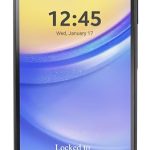
Gone are the days when a sub-$300 smartphone meant a sluggish, frustrating experience with a terrible camera. The budget smartphone market in 2026 is a fiercely competitive arena, where manufacturers are packing flagship-level features into remarkably affordable packages. This guide is your roadmap to navigating this exciting landscape, proving that you don't need to break the bank to own a powerful, reliable, and feature-rich mobile device.
Understanding the best options in this price bracket matters more than ever, as these devices have become the primary computing and communication tools for millions. You will learn how identify which features offer the best value, which brands are leading the charge in 2026, and how to avoid common pitfalls when shopping for a budget phone. We will dissect performance, camera capabilities, software support, and battery life to help you make an informed decision that fits your lifestyle and budget perfectly.
The 2026 Budget Phone Landscape: What $300 Buys You Now
In 2026, a budget of $300 unlocks a level of technology that was exclusive to mid-range devices just a few years ago. The driving forces behind this shift are advancements in chipset efficiency, the maturation of high-refresh-rate OLED displays in mass production, and intense competition between brands like Google, Motorola, Nokia, and a host of ambitious Chinese manufacturers. The line between "budget" and "mid-range" has blurred significantly, with core user experiences often feeling indistinguishable.
Key specifications you can now confidently expect include 5G connectivity as standard, at least 6GB of RAM for smooth multitasking, and 128GB of storage, often expandable via microSD. Processors like the MediaTek Dimensity 7000 series and Qualcomm's Snapdragon 7s Gen 3 provide more than enough power for everyday tasks, social media, and even moderate gaming. Furthermore, software promises have improved, with many brands now offering three years of major Android OS updates and four years of security patches.
When evaluating phones in this category, it's crucial to look beyond just the spec sheet. The real differentiators in 2026 are software optimization, build quality, and after-sales support. A phone with a slightly less powerful chip but a clean, bloatware-free version of Android with timely updates will often provide a better long-term experience than a spec-heavy device bogged down with poorly optimized software and abandoned by its manufacturer.
Top Contenders: Best Phones Under $300 in 2026
The Google Pixel 7a, though a few years old, remains a benchmark in this category due to its frequent price drops and unparalleled software experience. Its Tensor G2 chip, combined with Google's computational photography magic, delivers camera performance that rivals phones twice its price. For pure Android lovers and photography enthusiasts on a budget, it's a compelling choice, especially if found on sale, which is common as Google clears inventory for newer models.
Motorola's Moto G Power (2026) continues to dominate the battery life conversation. Routinely featuring a massive 5000mAh+ battery, it reliably delivers two to three days of use on a single charge. The 2026 model typically improves upon its predecessor with a better 90Hz display and a more refined main camera sensor. It's the definitive choice for users who prioritize never being tethered to an outlet and value a near-stock Android experience.
Newer challengers like the Nothing Phone (2a) and the Samsung Galaxy A25 5G have redefined expectations. The Phone (2a) offers a unique, transparent Glyph Interface design and a surprisingly capable dual-camera system powered by Nothing's minimalist Android skin. The Galaxy A25 5G, meanwhile, brings Samsung's renowned Super AMOLED display technology and a promise of four generations of OS upgrades to the budget segment, making it a fantastic long-term investment.
Critical Features to Prioritize in Your Decision
The single most important feature for future-proofing your purchase is software support. In 2026, aim for a device that guarantees at least three years of Android version updates. This ensures you receive new features, critical privacy enhancements, and protection against security vulnerabilities for the lifespan of the phone. Brands like Google, Samsung, and Nokia are leaders in this area, while others may only offer sporadic security patches.
Display quality directly impacts every interaction. Prioritize a phone with an OLED or AMOLED screen over an LCD for deeper blacks, better contrast, and more vibrant colors. A refresh rate of 90Hz or 120Hz is now common and makes scrolling noticeably smoother. For durability, look for a display protected by Gorilla Glass 3 or better. A bright screen, measured in nits, is also crucial for comfortable outdoor use.
Battery and charging technology have seen significant trickle-down benefits. A 5000mAh battery is the sweet spot for all-day and often multi-day life. Pay equal attention to charging speed; 30W fast charging is now a reasonable expectation, allowing you to top up 50% of your battery in roughly 30 minutes. Be wary of phones that still ship with 10W or 15W chargers, as they feel archaic by 2026 standards.
The Camera Compromise: Managing Expectations and Finding Gems
While you can't expect flagship-level zoom or low-light performance, budget phone cameras in 2026 are exceptionally competent in good lighting. The main sensor is where most of the budget is allocated, so a 50MP or 64MP sensor with pixel-binning (which combines pixels for better light capture) is typical. The ultra-wide and depth/macro sensors are often included more for marketing bullet points than genuine utility; their quality is usually passable at best.
The true differentiator is software processing. This is where phones like the Google Pixel 7a shine, using advanced algorithms to produce stunning HDR and portrait shots. When researching, look for sample photos taken in conditions you encounter often—indoor family shots, outdoor landscapes, or pet photos. A phone with a lesser sensor but superior software will consistently produce more shareable images than one with a higher megapixel count and poor processing.
For practical photography, focus on the primary camera's performance. Learn to use the Pro or Manual mode if available, as it can often yield better results than the fully automatic mode in tricky lighting. Don't be swayed by the number of camera lenses on the back; a well-tuned dual-camera system (main + ultra-wide) is far more valuable than a quad-camera array filled with 2MP macro and depth sensors.
Smart Shopping: Where to Buy and How to Save
The retail landscape for budget phones has expanded. While traditional carriers often offer the steepest discounts with activation or trade-in, these deals usually lock you into a lengthy contract. For outright purchases, consider major retailers like Amazon and Best Buy, which frequently have sales, especially during holiday weekends, Prime Day, and Black Friday. Their return policies are also generally more consumer-friendly.
Don't overlook the manufacturer's own website. Companies like Motorola and Samsung often run direct promotions with bundle deals (like free earbuds) or student/military discounts that aren't available elsewhere. Additionally, consider reputable refurbished or "renewed" programs from Amazon or Back Market. These can offer previous-generation flagship phones or higher-tier models from last year at a steep discount, often with a warranty, presenting incredible value.
Always check the device's network compatibility before purchasing, especially if buying an unlocked model. Use the IMEI checker on your carrier's website to ensure full support for their 5G bands. Finally, factor in the cost of accessories. A $280 phone leaves room in your budget for a quality case and screen protector, which are essential investments to protect your new device.
Key Takeaways
- ✓ Software support is the most critical factor for longevity; prioritize phones with at least 3 years of OS updates.
- ✓ A quality OLED display with a 90Hz+ refresh rate dramatically improves the daily user experience.
- ✓ Battery capacity of 5000mAh paired with 30W+ fast charging is the 2026 standard for all-day power and convenience.
- ✓ Camera performance relies more on software processing than megapixel count; research real-world photo samples.
- ✓ Shop strategically across carriers, retailers, and manufacturer sites, and consider certified refurbished models for maximum value.
Frequently Asked Questions
Can a phone under $300 really handle gaming?
Yes, but with managed expectations. Phones in this range with chipsets like the Snapdragon 7s Gen 3 or Dimensity 1080 can handle popular titles like Call of Duty: Mobile and Genshin Impact at medium to low graphics settings smoothly. For hardcore, high-frame-rate gaming, you'll need to spend more, but for casual and moderate gaming, today's budget phones are more than capable.
How long should a budget smartphone last?
With proper care, a modern budget smartphone should last a minimum of 3 years. The limiting factor is often the battery, which degrades over time, and the end of software support. Choosing a phone with a long update promise and a large battery will maximize its usable lifespan. Replacing the battery after 2 years can also extend its life significantly.
Is 5G important on a budget phone in 2026?
Absolutely. 5G is now ubiquitous and standard on all new budget phones. While you may not always need the speed, it ensures network compatibility and future-proofs your device as carriers continue to expand and optimize their 5G networks. In many cases, 4G/LTE-only models are older stock and not worth considering.
What’s the biggest compromise with budget phones?
The most common compromises are in construction materials (plastic backs instead of glass or metal), less powerful speakers, and the quality of secondary cameras (ultra-wide, macro). Performance under sustained load may also throttle more quickly than on flagship devices. However, for core tasks like calling, messaging, browsing, and social media, these compromises are often negligible.
Should I buy last year's mid-range phone or this year's budget model?
This is an excellent strategy. A previous-generation mid-range phone, often found on clearance or refurbished, can offer superior build quality, a better chipset, and more premium features (like wireless charging) than a current budget model. The trade-off is potentially shorter remaining software support. Weigh the hardware benefits against the software update timeline for your needs.
Conclusion
Navigating the market for the best budget smartphones under $300 in 2026 reveals an array of impressive choices that cater to diverse needs, whether it's camera prowess, battery endurance, software purity, or sheer value. By focusing on key pillars like long-term software support, display quality, and intelligent camera systems, you can select a device that feels premium and performs reliably without straining your finances. The advancements in this segment mean you are no longer buying a compromised device, but a smart, capable tool for modern life.
Your next step is to identify your personal priority. Is it the clean Android experience of a Pixel, the battery marathon of a Moto G Power, or the update promise of a Samsung Galaxy? Once you know, use the shopping strategies outlined to find the best deal. Head to a store if possible to feel the phone in your hand, then make your purchase confidently, knowing that in 2026, exceptional smartphone technology is truly accessible to all.

Daniel Mitchell is a home appliances specialist with over a decade of hands-on experience testing, reviewing, and comparing everyday household products. He focuses on helping homeowners make smarter buying decisions through practical insights, real-world testing, and easy-to-understand advice. Daniel covers everything from kitchen appliances to smart home solutions, with a strong emphasis on performance, energy efficiency, and long-term reliability.