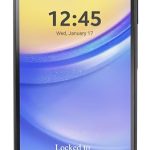
Gone are the days when a low price tag on a smartphone meant a frustrating experience of laggy apps, a terrible camera, and a device that felt outdated the moment you unboxed it. The budget smartphone market in 2026 is a fiercely competitive battleground, where manufacturers are packing premium-level features into devices that cost a fraction of flagship prices. This revolution means you no longer have to choose between your wallet and a capable, modern smartphone.
This topic matters because, for the vast majority of global users, value is the ultimate priority. Understanding this landscape empowers you to make an informed decision, avoiding overpaying for unnecessary specs or falling for marketing hype. In this article, you will learn how to navigate the 2026 budget phone market, identify which features offer the best real-world value, discover the key players and technologies driving this segment, and get practical advice on where and how to buy your next high-value device. We will dissect what "best features" truly means when cost is the primary constraint.
Redefining Value: What "Best Features" Means in 2026
In 2026, the definition of "best features" for a budget smartphone has shifted dramatically. It's no longer just about having the highest megapixel count or the largest screen. The focus is now on a balanced, holistic user experience. The core pillars include reliable performance for daily tasks, a competent multi-camera system that works well in various lighting, a display that is smooth and easy on the eyes, and battery life that comfortably lasts a full day or more. A device that excels in these fundamental areas while costing under $300 represents the pinnacle of value.
Performance is now driven by incredibly efficient mid-range chipsets from Qualcomm (Snapdragon 7-series and 6-series), MediaTek (Dimensity 7000 and 8000 series), and Google's own Tensor G-series chips trickling down. These processors are built on advanced manufacturing processes, offering excellent power efficiency and enough horsepower for smooth social media browsing, streaming, mobile gaming at medium settings, and multitasking. For example, a phone with a Snapdragon 6 Gen 3 or a Dimensity 7050 in 2026 can handle virtually all everyday applications without breaking a sweat, a feat that was reserved for $800 phones just a few years ago.
Furthermore, software support has become a critical feature. Manufacturers are competing on promise longevity. The new benchmark is four years of major Android OS updates and five years of security patches. This ensures your budget phone remains secure, receives new features, and feels fresh for far longer, dramatically increasing its total value. When comparing models, prioritize this commitment from the brand as highly as you would the RAM or storage specs.
The Champions of the Cheap: Key Brands and Their Strategies
The budget segment is dominated by a few key players who have perfected the art of cost-effective engineering. Chinese manufacturers like Xiaomi (and its sub-brand POCO), Realme, and Motorola (now under Lenovo) are the traditional powerhouses. Their strategy involves aggressive specifications for the price, often using high-refresh-rate displays and large batteries as headline features. They leverage massive scale and vertical integration to keep costs down. In 2026, these brands are focusing on refining design and software to shed the "cheap feel" of the past.
Google, with its Pixel "a-series" (e.g., Pixel 8a, Pixel 9a), takes a different approach. Instead of winning on raw specs, Google leverages its software and AI prowess. A Pixel a-series phone typically has a best-in-class camera for its price, thanks to computational photography algorithms borrowed from its flagship siblings. It also offers a clean, bloatware-free version of Android with guaranteed timely updates. Samsung's Galaxy A-series, particularly the higher-numbered models like the A35 or A55, offers a more polished, globally consistent experience with strong build quality and the trusted Samsung ecosystem, albeit often at a slight premium over direct competitors.
Newer entrants and regional brands are also making waves. Companies like Nothing and Nokia (HMD Global) are focusing on unique design and "stock Android" experiences to stand out. The strategy for you, the buyer, is to align the brand's strength with your priority. Want the best camera on a budget? Lean towards Google. Want the highest specs on paper for gaming? Look at POCO or Realme. Want a reliable, well-supported all-rounder? Consider Samsung or Motorola.
The Non-Negotiables: Features You Should Not Compromise On
Even when searching for the cheapest option, certain features have become non-negotiable for a good experience in 2026. First is a display with a 90Hz or 120Hz refresh rate. This technology, once exclusive to flagships, makes every swipe and scroll noticeably smoother. It reduces eye strain and makes the phone feel far more responsive and premium. A 6.5-inch Full HD+ (1080p) OLED or high-quality LCD with a high refresh rate is now the standard expectation in the budget class.
Second is 5G connectivity. With 5G networks now ubiquitous and affordable even in developing markets, a budget phone without 5G support is instantly obsolete. It ensures the device remains relevant for the entirety of its lifespan. Third is ample storage and RAM. The baseline for a comfortable experience in 2026 is 128GB of storage (with UFS 2.2 or better) and 6GB of RAM, though 8GB is becoming the new sweet spot for better future-proofing and multitasking. Avoid any phone that still offers 64GB/4GB configurations, as they will hinder performance quickly.
Finally, battery life and charging speed are critical. A battery capacity of 5000mAh is the gold standard, aiming for all-day battery life even with heavy use. Equally important is support for at least 30W fast charging. This means you can top up your phone from empty to 50% or more in about 30 minutes, eliminating "range anxiety." A phone that lasts long but charges slowly can be a daily frustration, so consider both metrics together.
The Smart Shopper's Guide: Where and How to Buy
Finding the best deal requires knowing where to look and when to buy. Official online stores from brands like Xiaomi, Realme, and Samsung often offer launch discounts, bundle deals, and trade-in offers that aren't available elsewhere. Major e-commerce platforms like Amazon, Best Buy, and Flipkart (region-dependent) run frequent sales events, such as Prime Day, Black Friday, and seasonal festivals, where budget phones see significant price cuts. These are ideal times to purchase.
Consider buying previous-generation models. The "best" cheap phone in 2026 might be a 2025 model that has seen a steep price drop. For instance, the Pixel 8a becomes an incredible value when the Pixel 9a launches. The core features—camera, performance, display—remain excellent, and you benefit from the initial software bugs being ironed out. Always read recent, long-term review updates to see how these older models have held up over months of use.
Be wary of buying the absolute cheapest, no-name brand phone from obscure websites. While the price may be tempting, you risk poor build quality, non-existent software support, security vulnerabilities, and a lack of warranty or customer service. Stick to reputable brands and sellers. Before clicking "buy," also check the device's frequency bands against those used by your mobile carrier to ensure full network compatibility, especially if importing a phone from another region.
Looking Ahead: The Future of Budget Smartphones
The trajectory of budget smartphones points toward even greater convergence with flagship experiences. We can expect the trickle-down of advanced technologies to accelerate. Features like under-display fingerprint sensors, stereo speakers, and improved water resistance (IP54 or higher) are becoming common in the budget tier. The next frontier is advanced AI integration, not just for photography, but for system-wide optimization, voice assistants, and accessibility features, all running efficiently on mid-range chips.
Material science and design will also see upgrades. While plastic frames and backs will remain for cost and signal reasons, the use of higher-quality polymers, matte finishes, and more durable glass for displays will make budget phones feel less like compromises. Furthermore, the industry's push toward sustainability will impact this segment, with more brands offering longer warranties, easier repair programs, and using recycled materials in construction, adding ethical value to the financial value.
For the consumer, this means the value proposition will only get better. The constant pressure from competitors means that each new generation must offer a tangible improvement over the last. Your strategy should be to buy for your needs today with an eye on software support for tomorrow. The goal is no longer just to find a phone that works, but to find one that you'll be happy using for the next three to four years without feeling left behind.
Key Takeaways
- ✓ The best budget phone in 2026 balances core performance, a good display, capable cameras, and all-day battery life, not just raw specs.
- ✓ Prioritize phones with a minimum of 4 years of OS updates and a high-refresh-rate (90Hz/120Hz) display for a smooth, long-lasting experience.
- ✓ Key brands like Google Pixel a-series, Samsung Galaxy A-series, and Xiaomi/POCO offer different value propositions: choose based on your priority for camera, polish, or raw performance.
- ✓ Never compromise on 5G, at least 128GB storage with 6GB/8GB RAM, and fast charging (30W+) alongside a large (5000mAh) battery.
- ✓ Shop smart during sales, consider previous-generation models, and always buy from reputable sellers to ensure warranty and network compatibility.
Frequently Asked Questions
Is it worth buying a budget phone in 2026, or should I just save for a flagship?
For most users, a modern budget phone is more than sufficient. The performance gap has narrowed significantly. Flagships now primarily offer premium materials, cutting-edge but incremental camera tech, slightly faster performance, and niche features like advanced gaming cooling or stylus support. If you don't specifically need those, a $250-$350 budget phone in 2026 will provide an excellent experience for social media, streaming, photography, and everyday tasks for years.
How important is the camera megapixel count in a budget phone?
Less important than you think. In 2026, software and sensor quality trump megapixels. A 50MP main sensor with large pixels and good image processing (like on a Google Pixel a-series) will consistently outperform a 108MP sensor with poor software. Look for reviews that show real-world photo and video samples, especially in low-light conditions, rather than relying on the megapixel number alone.
Can I play games like Genshin Impact or Call of Duty Mobile on a cheap smartphone?
Yes, but with settings adjustments. Phones with chips like the Snapdragon 6 Gen 3, Dimensity 7050, or Tensor G2 (in previous-gen models) can handle these games at medium graphics settings with stable frame rates. For serious mobile gaming, look for phones with dedicated gaming features like vapor chamber cooling and a chipset from the higher tier of the mid-range (e.g., Snapdragon 7s Gen 2 or Dimensity 8100).
How do I ensure my budget phone stays fast and doesn't get bloated with ads?
First, choose brands known for cleaner software (Google, Motorola, Nokia) or those that have improved their interfaces (Samsung's One UI, Xiaomi's HyperOS). Second, during setup, carefully decline all optional promotional and data-sharing agreements. Third, regularly review installed apps and disable or uninstall any pre-loaded bloatware you don't use. Finally, maintaining at least 10-15% of free storage space helps keep performance snappy.
What is the single most important spec to look for in a cheap phone?
The processor (chipset) is the most critical component, as it determines the phone's overall speed, efficiency, gaming capability, camera processing speed, and how well it will age. A good chipset in a budget phone enables all other features to shine. Always research the real-world performance and efficiency of the specific chipset in a model you're considering, rather than just accepting the marketing name.
Conclusion
The search for the cheapest smartphone with the best features in 2026 is no longer a quest for the least-bad option, but an exciting opportunity to find a device that genuinely delights. By focusing on a balanced feature set—prioritizing a smooth display, reliable performance, long battery life with fast charging, and a commitment to software updates—you can secure a tool that empowers your digital life without straining your finances. The market has matured to a point where value is defined by thoughtful engineering and user-centric design, not just a low sticker price.
Take the insights from this guide and apply them to your next purchase. Start by identifying your non-negotiable features, then research the current champions from key brands that align with your priorities. Wait for a sale event, read hands-on reviews, and make a confident choice. In 2026, owning a great smartphone doesn't require a flagship budget; it just requires smart shopping. Your perfect, high-value device is out there waiting.

Daniel Mitchell is a home appliances specialist with over a decade of hands-on experience testing, reviewing, and comparing everyday household products. He focuses on helping homeowners make smarter buying decisions through practical insights, real-world testing, and easy-to-understand advice. Daniel covers everything from kitchen appliances to smart home solutions, with a strong emphasis on performance, energy efficiency, and long-term reliability.