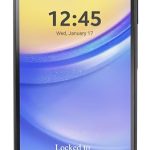
In the fast-paced world of smartphones, new models arrive and vanish with dizzying speed. Yet, some devices leave a lasting legacy, becoming benchmarks against which newer phones are still measured. As we look at the mobile landscape in 2026, two such titans from the recent past continue to dominate conversations among savvy buyers: Apple's iPhone 15 and Samsung's Galaxy S24. Despite being a few years old, their refined designs, powerful performance, and mature software ecosystems make them compelling, value-driven choices in a market saturated with incremental updates.
This comparison matters because it cuts through the hype of constant new releases to focus on proven excellence and real-world value. Whether you're upgrading from an older device, seeking a premium experience on a budget, or simply prefer a phone with all its kinks ironed out, understanding the enduring strengths and compromises of these two platforms is crucial. In this article, you will learn how the iPhone 15 and Galaxy S24 stack up in 2026 across performance, display, camera versatility, software longevity, and overall ecosystem, empowering you to make an informed decision that fits your lifestyle and needs.
Design and Display: A Tale of Two Philosophies
The iPhone 15 and Galaxy S24 represent the pinnacle of their respective design languages from their launch era. The iPhone 15 marked a significant shift with its new contoured edges and brushed aluminum frame, moving away from the sharper chassis of its predecessors. It features the innovative Dynamic Island, a pill-shaped cutout that fluidly integrates notifications and live activities, replacing the traditional notch. Built with aerospace-grade aluminum and Color-Infused glass back, it offers a sleek, uniform look in muted, sophisticated tones. In contrast, the Samsung S24 champions a more angular, minimalist design with its Armor Aluminum frame and flat Gorilla Glass Victus 3 front and back. It maintains a nearly symmetrical bezel around its punch-hole camera, offering a clean, modern aesthetic that is distinctly Samsung.
When it comes to the display, the battle is between Apple's Super Retina XDR (OLED) and Samsung's Dynamic AMOLED 2X panels. Both are stunning, but with different priorities. The iPhone 15's 6.1-inch display is renowned for its color accuracy, brightness, and seamless integration with iOS, offering a buttery-smooth 60Hz refresh rate that feels responsive due to Apple's software optimization. The S24's 6.2-inch screen, however, pushes the envelope with its adaptive 120Hz refresh rate, making every scroll, swipe, and animation exceptionally fluid. It also boasts a higher peak brightness for superior outdoor visibility. The S24 offers more customization for color profiles and resolution, while the iPhone provides a consistently calibrated, filmmaker-centric experience.
From a practical 2026 standpoint, both designs have stood the test of time. The iPhone 15's USB-C port (a first for the base model) future-proofed it significantly, allowing for easier cable compatibility. The S24's slightly more compact form factor and lighter weight might appeal to one-handed users. Your choice here hinges on preference: the fluid, interactive experience of the Dynamic Island versus the raw smoothness and customization of a high-refresh-rate panel; the contoured, colorful feel of the iPhone versus the sharp, industrial precision of the Samsung.
Performance and Software: The A16 Bionic vs. Snapdragon 8 Gen 3 Longevity
At their core, the iPhone 15 is powered by the A16 Bionic chip, while the US variant of the S24 runs on the Qualcomm Snapdragon 8 Gen 3 for Galaxy. In 2026, both processors remain exceptionally powerful, capable of handling everything from demanding mobile games to intensive photo editing and multitasking without breaking a sweat. The real differentiator in performance today is not raw speed—both have more than enough—but thermal management and software optimization. The A16 Bionic, paired with iOS, is famed for its consistent performance without throttling, delivering the same smooth experience whether you're browsing or gaming. The Snapdragon 8 Gen 3 in the S24 is a powerhouse, but its performance can be more variable under sustained load, depending on Samsung's thermal management algorithms.
The software experience is where the long-term divergence becomes most apparent. The iPhone 15 launched with iOS 17 and, as of 2026, is likely running the latest iOS version (e.g., iOS 20 or 21), thanks to Apple's industry-leading 5-7 year software support promise. This means it still receives all the latest features, security patches, and ecosystem integrations. The Galaxy S24 launched with Android 14 and One UI 6.1, and Samsung now promises 7 years of OS and security updates. This unprecedented commitment for an Android device means the S24 in 2026 is also running a very recent OS (e.g., Android 17), making it a truly future-proof Android choice.
For the user, this translates to a choice of philosophies. iOS offers a controlled, seamless, and privacy-focused environment where everything just works together, especially if you own other Apple products like Macs, iPads, or AirPods. One UI on the S24 provides immense customization, deeper system-level control, and better integration with Google services and the wider world of non-Apple tech. Practical advice: if you value a uniform, long-supported experience with minimal tinkering, the iPhone 15 remains a safe bet. If you prefer to personalize every aspect of your phone's interface and behavior and want the longest-supported Android flagship ever made, the S24 is a historic choice.
Camera Systems: Computational Photography Showdown
The camera systems on the iPhone 15 and Galaxy S24 encapsulate the ongoing debate between natural consistency and versatile prowess. The iPhone 15 features a dual 48MP main and 12MP ultrawide system. Its strength lies in Apple's deeply integrated computational photography, producing photos with excellent dynamic range, realistic skin tones, and a consistent look across all lenses. The new 48MP sensor allows for high-resolution 24MP default photos and a 2x "optical-quality" zoom crop. Video recording, especially with Cinematic mode and Dolby Vision HDR, remains arguably the best in the business, offering incredible stabilization and color grading.
Samsung's Galaxy S24, meanwhile, employs a triple-camera array: a 50MP main, a 12MP ultrawide, and a 10MP 3x telephoto lens. This gives it a clear advantage in optical zoom range, allowing for true lossless close-ups of distant subjects. Samsung's image processing tends to favor brighter, more saturated, and sharper images straight out of the camera—a style many find instantly appealing for social media. Its software suite is packed with AI-powered features like advanced object eraser, remastering suggestions, and superior nightography capabilities for low-light scenes, many of which have been refined through subsequent updates.
In daily use in 2026, both cameras will capture fantastic images. Your preference will depend on your shooting style. For users who prioritize video, prefer a more "true-to-life" photo aesthetic, and value consistency, the iPhone 15 is the tool of choice. For photographers who want more hardware flexibility (the 3x telephoto), enjoy AI-assisted editing tools baked into the gallery app, and prefer a more vibrant, contrast-rich photo style, the S24 holds a significant edge. Actionable advice: look at sample photos from both phones, focusing on everyday scenes like indoor portraits, pet photos, and landscapes, to see which color science and processing you naturally prefer.
Battery Life and Charging: The Daily Endurance Race
Battery life is a critical factor for any smartphone's longevity. The iPhone 15 houses a battery that, when new, offered solid all-day battery life. In 2026, the health of a used unit's battery will be the most important variable, but Apple's efficient A16 chip and iOS optimization mean that even with some degradation, it can likely still get most users through a full day with moderate use. The Galaxy S24, with its slightly larger battery capacity and an efficient chipset, also launched with strong all-day endurance. Its adaptive refresh rate can help conserve power when high smoothness isn't needed. For both phones in 2026, a battery replacement (a relatively inexpensive service) can restore them to like-new endurance.
Charging speeds, however, highlight a clear platform difference. The iPhone 15, despite moving to USB-C, still supports relatively slow wired charging (up to 20W) and MagSafe wireless charging at 15W. It is designed for overnight charging or top-ups throughout the day. The Samsung S24 supports significantly faster wired charging (up to 45W with a compatible charger), allowing you to go from empty to a substantial charge in about 30 minutes. It also supports 15W Qi2 wireless charging (the open standard based on Apple's MagSafe) and 4.5W reverse wireless charging to top up accessories.
The practical takeaway is about routine. If your lifestyle allows for nightly charging or you have access to MagSafe chargers at your desk or in your car, the iPhone's slower speeds are a non-issue. If you often find yourself in a rush and need a quick power boost before heading out, the S24's faster charging is a tangible benefit. For long-term ownership, factor in the cost and availability of battery replacement services for your chosen brand, as this will significantly extend the usable life of either device.
Ecosystem and Value Proposition in 2026
The decision between an iPhone 15 and a Galaxy S24 in 2026 extends far beyond the hardware; it's a choice between two of the world's most comprehensive tech ecosystems. Apple's ecosystem is a walled garden, but one that is meticulously curated. Features like AirDrop, Handoff, Universal Clipboard, and seamless integration with the Apple Watch and AirPods create a frictionless experience across devices. If you use a Mac, iPad, or Apple TV, the iPhone 15 becomes the central hub that makes everything work better together. Its resale value also tends to remain higher for longer, a key factor in total cost of ownership.
Samsung's ecosystem, built on Android, is more of an open park. It integrates deeply with Google services (Google Photos, Assistant, Drive) and offers broad compatibility with Windows PCs through Link to Windows and other third-party accessories. Samsung's own Galaxy Watch, Buds, and Tab series offer excellent integration with the S24, though the experience can sometimes be less seamless than Apple's. The value of the S24 in 2026 is bolstered by Samsung's extended software support, making it a device you can confidently use for many years without feeling obsolete.
Wrapping up this section, your existing device portfolio is a major deciding factor. If you are already invested in either ecosystem, staying within it will maximize your convenience and the utility of your devices. For those with no allegiances, consider which suite of services you prefer (iMessage/FaceTime vs. Google Messages/Meet), which smartwatch you might want, and how important cross-device workflows are to you. In 2026, both phones offer tremendous value as refined, high-performance flagships available at a fraction of their original launch price, either through the refurbished market or as hand-me-downs.
Key Takeaways
- ✓ Both the iPhone 15 and Galaxy S24 remain top-tier choices in 2026 due to their mature software, powerful chipsets, and premium build quality, offering flagship experiences at a reduced cost.
- ✓ The S24 holds a hardware advantage with its 120Hz adaptive display and a 3x telephoto camera, while the iPhone 15 counters with superior video capabilities, the unique Dynamic Island, and unmatched ecosystem cohesion for Apple users.
- ✓ Software support is excellent for both, with each company promising many years of updates, ensuring security and access to new features well into the future.
- ✓ Battery life is comparable for all-day use, but the S24 supports significantly faster wired charging, a practical benefit for users who frequently need quick top-ups.
- ✓ Your final choice should heavily weigh your existing device ecosystem (Apple vs. Google/Samsung) and your personal preference for iOS's consistency or Android's customization.
Frequently Asked Questions
Which phone has a better battery life in 2026?
Battery life in 2026 for these used devices depends heavily on the current battery health. When new, they were very close, both offering solid all-day life. The S24 may have a slight edge due to its larger capacity and adaptive refresh rate, but a degraded battery in either will underperform. The key takeaway is that both are excellent candidates for an official battery replacement service, which can restore them to like-new endurance for a reasonable cost.
Is the iPhone 15's 60Hz display a deal-breaker compared to the S24's 120Hz?
For many users, no. Apple's iOS is so finely tuned that its 60Hz animations feel remarkably smooth and responsive. However, once you directly experience the buttery fluidity of the S24's 120Hz adaptive display in scrolling and gaming, the difference is noticeable. It comes down to personal sensitivity. If you've never used a high-refresh-rate phone, the iPhone 15's screen will look fantastic. If you're accustomed to 120Hz, going back to 60Hz can feel like a step backward.
Can the iPhone 15 take good zoom photos without a telephoto lens?
Yes, but with limitations. The iPhone 15's 48MP main sensor allows it to digitally crop to a 2x zoom while retaining 12MP of detail, producing "optical-quality" shots that are very good for portraits or subjects at that specific distance. However, for anything beyond 2x (like 5x or 10x), the Samsung S24's dedicated 3x optical telephoto lens will produce significantly clearer, more detailed results. For casual zoom, the iPhone is fine; for serious distance photography, the S24 wins.
Which phone will receive software updates for longer?
As of their launch promises, both are exceptionally well-supported. Apple has a historical track record of providing 5-7 years of iOS updates for its iPhones. Samsung has promised an unprecedented 7 years of OS and security updates for the S24 series. In practical terms for a 2026 buyer, this means both phones will likely be supported with major updates for several more years, making them both fantastic choices for long-term use. The support race is essentially a tie.
I'm on a budget in 2026. Which is the better value?
This depends on the refurbished or used market prices at the time, which fluctuate. Generally, older Android flagships like the S24 depreciate slightly faster on the used market than comparable iPhones. This could mean you can find an S24 for a better price, offering incredible value given its hardware (120Hz screen, telephoto lens). However, the iPhone 15 may hold its value better if you plan to resell it later. Assess the specific prices in your market and weigh them against the features you value most.
Conclusion
The iPhone 15 and Samsung Galaxy S24 stand as testaments to the engineering excellence of their time, proving that a few-year-old flagship can often be a wiser purchase than a brand-new mid-range device. We've explored how the iPhone excels with its cohesive ecosystem, consistent performance and camera output, and the innovative Dynamic Island, while the S24 counters with a superior display refresh rate, more versatile camera hardware, faster charging, and deep customization. Both benefit from extraordinary software support promises that keep them feeling modern and secure well into the future.
Your optimal choice is not about which phone is objectively better, but which is subjectively better for you. Consider the devices you already own, the daily tasks you perform most, and whether you prioritize seamless integration or flexible hardware. In 2026, you can confidently choose either the iPhone 15 or Galaxy S24, knowing you are selecting a refined, powerful, and enduring piece of technology that will serve you excellently for years to come. The next step is to find a reputable seller, check the battery health of the specific unit, and prepare to enjoy a premium smartphone experience.

Daniel Mitchell is a home appliances specialist with over a decade of hands-on experience testing, reviewing, and comparing everyday household products. He focuses on helping homeowners make smarter buying decisions through practical insights, real-world testing, and easy-to-understand advice. Daniel covers everything from kitchen appliances to smart home solutions, with a strong emphasis on performance, energy efficiency, and long-term reliability.