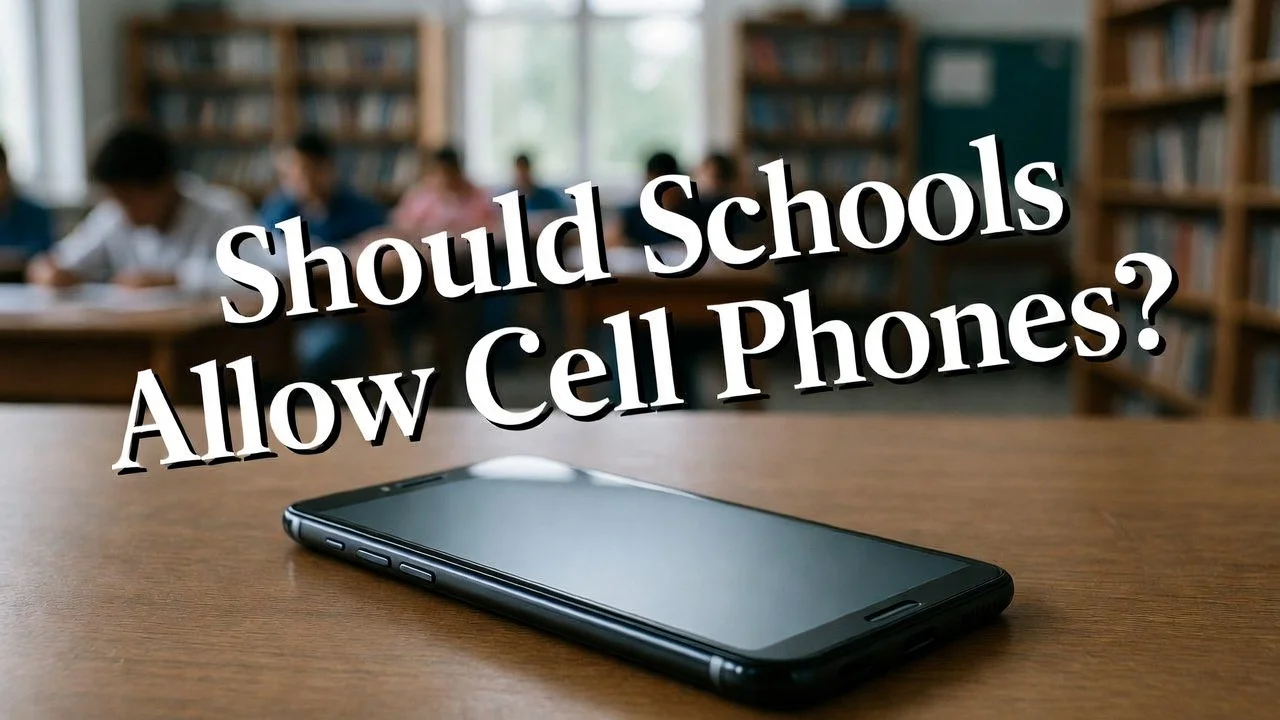
Should schools allow cell phones? — Yes, schools can allow cell phones when clear policies are in place. Mobile devices can support learning, communication, and safety, but unrestricted use may lead to distractions, cyberbullying, and lower academic performance. The best approach is controlled and responsible cell phone use during school hours.
Cell phones have become an essential part of everyday life. Students use them to communicate with parents, access educational resources, and stay connected in emergencies. However, many schools across the United States, United Kingdom, Canada, and Australia continue to debate whether students should be allowed to carry and use mobile phones during the school day.
For parents, teachers, and administrators, the question is no longer whether students own smartphones—most already do. The real challenge is determining how schools can balance educational opportunities with potential distractions. With AI-powered smartphones, 5G connectivity, and advanced educational apps becoming mainstream in 2026, the debate has become more complex than ever.
Some educators argue that smartphones improve learning and digital literacy. Others believe they contribute to reduced concentration, social media addiction, and classroom disruptions. Finding the right balance requires understanding both the benefits and drawbacks.
In this guide, you’ll learn why the issue matters, the advantages and disadvantages of allowing cell phones in schools, expert recommendations, practical solutions, and how modern schools can create effective smartphone policies.
“The best smartphone is not necessarily the most expensive one — it is the one that fits perfectly into your life.”
— David Pogue, Tech Journalist & Former NYT Columnist
Why Should Schools Allow Cell Phones? Understanding the Debate
The debate around whether schools should allow cell phones continues to intensify as smartphone ownership among students reaches record highs. According to Statista mobile usage reports, smartphone adoption among teenagers remains above 90% in many developed countries, making mobile devices a permanent part of student life.
Supporters of school phone access point to several benefits. Smartphones provide instant access to educational materials, research tools, calculators, translation apps, and collaborative learning platforms. During emergencies, students can quickly contact parents or emergency services when necessary.
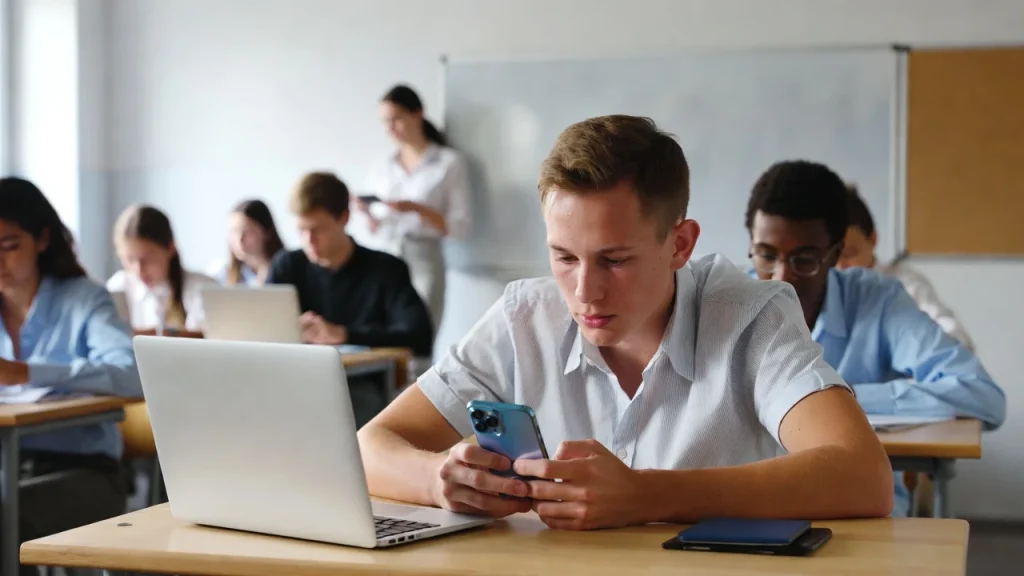
On the other hand, unrestricted phone use can negatively affect learning outcomes. Studies from educational researchers have linked excessive smartphone use with reduced classroom attention, lower test scores, and increased distractions from social media notifications.
Teachers frequently face challenges such as:
- Students texting during lessons
- Social media distractions
- Mobile gaming in class
- Unauthorized recording
- Cyberbullying incidents
- Academic dishonesty during exams
Parents also face a dilemma. Many want immediate access to their children for safety reasons, while others worry about excessive screen time and declining face-to-face social skills.
As AI-powered smartphones become more sophisticated in 2026, schools must determine whether these devices should be viewed primarily as educational tools or potential barriers to effective learning. The answer often lies in establishing balanced policies rather than complete bans or unrestricted access.
According to education experts, schools that implement structured phone-use guidelines generally achieve better outcomes than schools relying solely on outright prohibitions.
“Mobile technology has fundamentally changed how we communicate, work, and live — choosing the right phone is one of the most important tech decisions you will make.
— Consumer Reports, Electronics & Technology Division
Best Solutions for Schools Considering Cell Phone Policies
Schools looking to create effective smartphone policies should focus on responsible use rather than complete elimination.
Recommended Approaches
- Allow phones during designated times
- Before school
- Lunch periods
- After school activities
- Emergency situations
- Use smartphones as educational tools
- Research assignments
- Interactive quizzes
- Digital note-taking
- Language learning apps
- Implement classroom phone storage systems
- Lockable phone pouches
- Classroom charging stations
- Device lockers
- Teach digital citizenship
- Online safety
- Cyberbullying prevention
- Responsible social media use
- AI ethics awareness
- Create clear usage guidelines
- No social media during lessons
- No unauthorized recording
- Silent mode requirements
- Teacher-approved educational use
- Leverage modern mobile technology
- AI-powered learning apps
- Educational chatbots
- Virtual collaboration tools
- Digital textbooks
- Educate students about smartphone management
- Battery life tips
- Screen-time controls
- App management
- Productivity tools
Many of the same principles found in a modern cell phone buying guide apply here. Just as consumers compare best smartphones, budget phones, flagship smartphones, and 5G phones based on their needs, schools should evaluate smartphone usage based on educational goals rather than blanket assumptions.
Additionally, schools can use lessons involving phone camera comparison, digital content creation, and AI-assisted research to help students develop valuable technology skills for future careers.
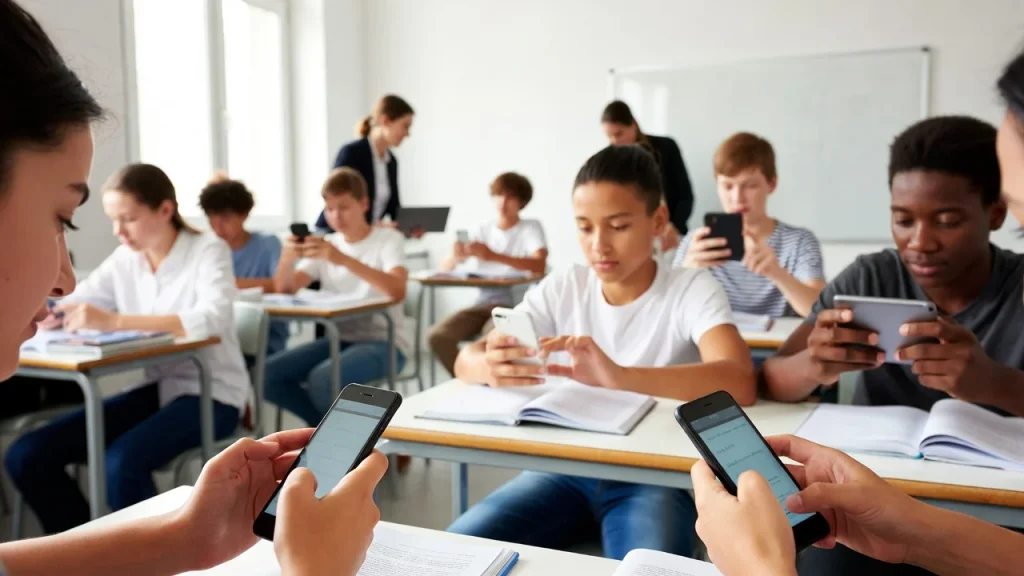
Step-by-Step Guide
- Assess current smartphone usage among students.
- Gather feedback from teachers, parents, and students.
- Identify specific classroom challenges caused by phones.
- Define acceptable and unacceptable smartphone activities.
- Establish designated phone-use times during the school day.
- Implement secure phone storage solutions where needed.
- Teach digital citizenship and responsible technology habits.
- Review and update policies annually to address emerging technologies such as AI-powered smartphones, satellite connectivity, and foldable phones.
Schools that follow these steps often create balanced environments where technology supports education without overwhelming it.
Expert Tips & Common Mistakes
Pro Tips
- Use phones as learning tools rather than viewing them solely as distractions.
- Create consistent policies across classrooms to avoid confusion.
- Teach responsible digital behavior from an early age.
- Encourage productivity apps that support organization and time management.
- Monitor emerging technologies such as AI assistants and educational mobile platforms.
Common Mistakes to Avoid
- Implementing blanket bans without evaluating educational benefits
- Allowing unrestricted social media access during lessons
- Ignoring cyberbullying risks and online safety education
- Failing to update policies as smartphone technology evolves
For example, many schools prohibit educational uses that could genuinely enhance learning. At the same time, others allow unrestricted access that creates distractions. The most successful schools find a middle ground.
Students should also learn practical smartphone management skills, including managing notifications, improving focus, extending battery life, and identifying misinformation online. These skills prepare them for responsible technology use beyond the classroom.
Modern devices equipped with AI features, under-display cameras, and advanced productivity tools can become valuable educational resources when integrated thoughtfully into school environments.
Consumers often overspend on flagship phones when a mid-range device would serve their needs just as well — or better.
— Marques Brownlee (MKBHD), Tech Reviewer & YouTube Creator
FAQs
Should schools allow cell phones during class?
Schools should generally allow phones only for teacher-approved educational activities. Limiting personal use during lessons helps reduce distractions while still enabling access to valuable learning tools.
Do cell phones improve student learning?
When used appropriately, smartphones can support research, collaboration, language learning, and educational apps. However, excessive non-academic use may reduce academic performance.
Why do parents want students to have phones at school?
Many parents value direct communication with their children, especially during emergencies, transportation changes, or after-school activities.
What are the disadvantages of allowing cell phones in schools?
Common concerns include classroom distractions, social media addiction, cyberbullying, academic dishonesty, and reduced face-to-face interaction among students.
Should elementary school students have smartphones?
Many experts recommend stricter limits for younger students while gradually introducing responsible technology use as students mature.
How can schools reduce smartphone distractions?
Schools can implement phone storage systems, designated usage times, digital citizenship education, and clear disciplinary guidelines.
Are AI-powered smartphones changing the school phone debate?
Yes. AI-powered smartphones can provide educational assistance, research support, and productivity features, making it increasingly important for schools to develop updated technology policies.
Conclusion
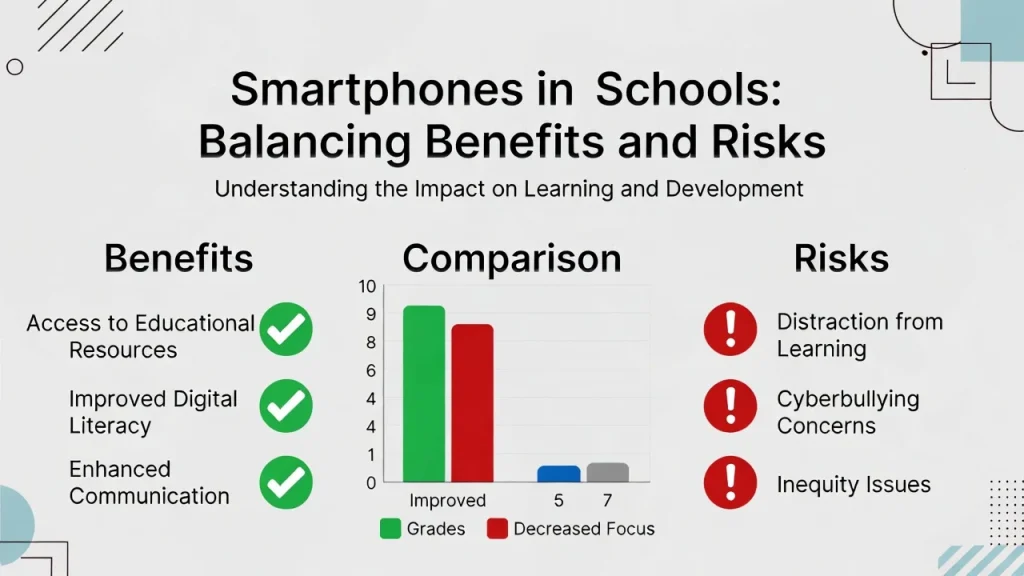
The question of whether schools should allow cell phones does not have a simple yes-or-no answer. Smartphones offer significant educational benefits, improved communication, and access to powerful learning tools. At the same time, they introduce challenges related to distraction, social media use, and classroom management.
The most effective solution is not an outright ban or unrestricted access. Instead, schools should adopt balanced policies that encourage responsible smartphone use while minimizing disruptions. As mobile technology continues to evolve with AI-powered features, foldable phones, satellite connectivity, and smarter educational apps, schools must prepare students to use technology effectively and responsibly.
By combining clear guidelines, digital citizenship education, and practical classroom management strategies, schools can transform smartphones from potential distractions into valuable learning resources.
Explore more cell phone reviews, mobile technology insights, smartphone comparisons, and buying guides at TheBestPeek to stay informed about the latest trends shaping the future of mobile technology.
Sources
- Statista Mobile & Smartphone Usage Reports — Statista

Daniel Mitchell is a home appliances specialist with over a decade of hands-on experience testing, reviewing, and comparing everyday household products. He focuses on helping homeowners make smarter buying decisions through practical insights, real-world testing, and easy-to-understand advice. Daniel covers everything from kitchen appliances to smart home solutions, with a strong emphasis on performance, energy efficiency, and long-term reliability.