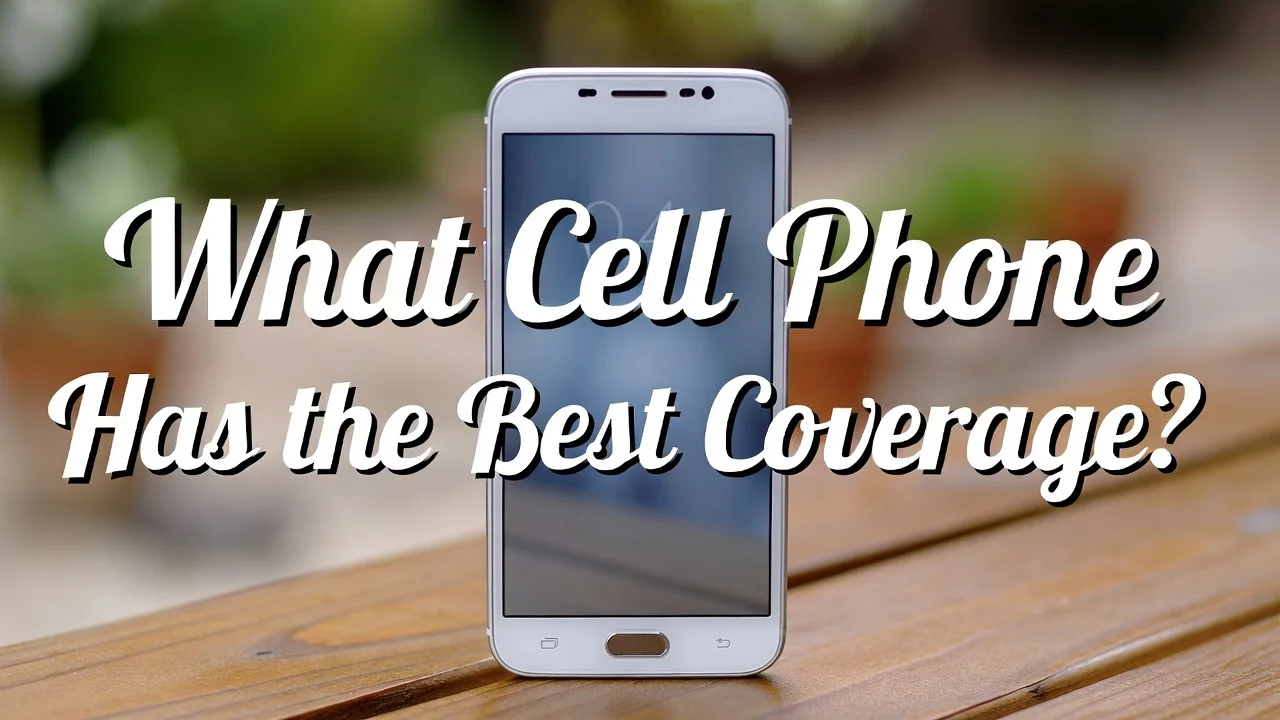
If you’re asking what cell phone has the best coverage, the short answer is that coverage depends more on your mobile carrier than the phone itself. However, some phones support more network bands and newer technologies, helping you get a stronger signal in more places.
Why Coverage Matters More Than Most People Think
I’ve learned that a phone can have amazing cameras, a fast processor, and a beautiful display, but none of that helps when I can’t make a call or use mobile data.
Many people face common problems such as:
- Dropped calls
- Slow internet speeds
- Weak signal indoors
- Poor rural coverage
- Unreliable travel connectivity
- Dead zones during emergencies
These issues can be frustrating for families, business owners, remote workers, travelers, and students. The good news is that choosing the right phone and carrier can solve many of these problems.
Does the Phone or Carrier Determine Coverage?
One of the biggest misconceptions is that the phone alone determines coverage.
In reality, coverage is influenced by several factors:
- Mobile carrier network
- Phone network compatibility
- Available cellular towers
- Geographic location
- Building materials
- Weather conditions
- Network congestion
A premium smartphone connected to a weak carrier network may perform worse than a mid-range phone connected to a strong network.
What Cell Phone Has the Best Coverage in 2026?
When comparing smartphones, the best coverage usually comes from devices that support:
- Extensive 4G LTE bands
- Wide 5G band support
- Carrier aggregation
- eSIM technology
- Advanced antennas
- Wi-Fi calling
Here are some of the best options currently available.
Apple iPhone 16 Pro Max
The iPhone 16 Pro Max supports a wide range of network frequencies used across the USA, UK, Canada, and Australia.
Benefits include:
- Strong 5G support
- Excellent antenna design
- Reliable roaming capabilities
- Wi-Fi calling support
- eSIM flexibility
For many users, this is one of the safest choices for dependable connectivity.
Samsung Galaxy S25 Ultra
Samsung’s flagship devices have long been known for excellent signal performance.
Advantages include:
- Broad carrier compatibility
- Strong reception in weak-signal areas
- Advanced modem technology
- Support for multiple network bands
Many rural users report strong performance with Samsung flagship devices.
Google Pixel 10 Pro
Google Pixel phones continue to improve network reliability.
Highlights include:
- Clean Android experience
- Advanced AI-assisted connectivity
- Strong 5G support
- Reliable call quality
Pixel devices are particularly popular among Android users who want simplicity and strong performance.
iPhone 16
If you want great coverage without paying for the most expensive model, the standard iPhone 16 remains an excellent choice.
Samsung Galaxy S25 Plus
This model offers premium network support while costing less than the Ultra version.
Which Mobile Carrier Has the Best Coverage?
Because coverage depends heavily on the network, choosing the right carrier is essential.
United States
The strongest nationwide networks are generally:
- Verizon
- AT&T
- T-Mobile
Verizon
Verizon is often praised for:
- Rural coverage
- Reliable voice calls
- Strong nationwide network reach
This makes Verizon attractive for people living outside major cities.
AT&T
AT&T offers:
- Extensive LTE coverage
- Reliable urban performance
- Strong business solutions
T-Mobile
T-Mobile has improved significantly in recent years.
Benefits include:
- Fast 5G service
- Competitive pricing
- Strong city coverage
United Kingdom
Popular networks include:
- EE
- Vodafone
- O2
- Three
EE is frequently recognized for wide coverage and fast mobile data speeds.
Canada
Top carriers include:
- Rogers
- Bell
- Telus
Rural users often compare Bell and Telus due to their broad network availability.
Australia
Leading options include:
- Telstra
- Optus
- Vodafone Australia
Telstra is often considered the strongest choice for rural and remote regions.
Features That Help a Phone Get Better Coverage
When shopping for a smartphone, I look beyond marketing claims.
Several technical features can make a real difference.
Network Band Support
More supported bands usually mean better compatibility with carriers.
Phones supporting many LTE and 5G frequencies can connect in more locations.
5G Compatibility
Modern networks continue expanding 5G coverage.
A fully compatible 5G phone helps future-proof your purchase.
Carrier Aggregation
Carrier aggregation allows phones to combine network resources for better speed and stability.
Advanced Modems
The modem inside the phone affects:
- Signal strength
- Download speeds
- Upload speeds
- Call quality
Premium phones typically include stronger modem technology.
Wi-Fi Calling
Wi-Fi calling can be a lifesaver when cellular signals are weak.
It allows calls and texts through your internet connection.
Best Phones for Rural Coverage
People living in rural communities often face unique challenges.
Common complaints include:
- Weak reception
- Limited tower access
- Slow data speeds
- Frequent dropped calls
The following phones are often recommended:
iPhone 16 Pro Max
Strong antenna performance and broad carrier support.
Samsung Galaxy S25 Ultra
Excellent compatibility with rural networks.
Google Pixel 10 Pro
Reliable connectivity and modern network support.
Best Phones for Travelers
Frequent travelers need phones that work across countries and carriers.
Important features include:
- eSIM support
- Global band compatibility
- Reliable roaming
- Dual SIM functionality
Top choices include:
- iPhone 16 Pro Max
- iPhone 16
- Samsung Galaxy S25 Ultra
- Google Pixel 10 Pro
Why Some Phones Seem to Have Better Reception
Many people notice that one phone appears to perform better than another on the same network.
This can happen because of:
- Antenna placement
- Modem quality
- Software optimization
- Network band support
- Device age
Newer flagship phones often hold weak signals more effectively than older devices.
Common Coverage Problems and Solutions
Problem: Dropped Calls
Solution:
- Enable Wi-Fi calling
- Update carrier settings
- Restart the device
- Check network outages
Problem: Weak Indoor Signal
Solution:
- Move closer to windows
- Use Wi-Fi calling
- Consider a signal booster
Problem: Slow Mobile Data
Solution:
- Check network congestion
- Update software
- Switch network modes
- Contact your carrier
Problem: Poor Rural Reception
Solution:
- Choose a carrier with rural strength
- Use a phone with broad band support
- Consider external signal solutions
How to Check Coverage Before Buying
One mistake I see people make is buying a phone before checking local coverage.
Instead, follow these steps:
Step 1: Review Carrier Coverage Maps
Check your carrier’s map for:
- Home location
- Workplace
- Travel routes
Step 2: Ask Local Residents
Real-world experiences often reveal issues maps may not show.
Step 3: Test the Network
Many carriers offer trials or return periods.
Step 4: Compare Multiple Networks
Coverage can vary dramatically even between neighboring communities.
The Cost of Choosing the Wrong Phone
Poor coverage creates hidden costs:
- Missed business calls
- Lost productivity
- Frustration during travel
- Reduced emergency access
- Poor customer communication
Choosing the right device and network can save both time and money.
What Experts Look for in Coverage Testing
Professional reviewers often evaluate:
- Call reliability
- Signal retention
- Data speed consistency
- Indoor performance
- Rural performance
- Travel connectivity
These factors matter more than simple speed test results.
Three Quotes Worth Remembering
“The best technology is the technology that disappears.” — Mark Weiser
This reminds me that a phone should simply work when I need it.
“Quality means doing it right when no one is looking.” — Henry Ford
Reliable coverage reflects the quality of both the device and network.
“Simplicity is the ultimate sophistication.” — Leonardo da Vinci
The best phone experience is often the one that requires the least troubleshooting.
My Recommendations Based on Different Needs
Best Overall Coverage
iPhone 16 Pro Max
Best Android Coverage
Samsung Galaxy S25 Ultra
Best Value Option
iPhone 16
Best for Travelers
Google Pixel 10 Pro
Best for Rural Areas
Samsung Galaxy S25 Ultra paired with a strong rural carrier.
Frequently Asked Questions
What cell phone has the best coverage overall?
The iPhone 16 Pro Max and Samsung Galaxy S25 Ultra are widely considered among the strongest phones for network compatibility and signal performance.
Does a more expensive phone get better reception?
Often yes, because premium devices usually include better antennas and modem technology.
Which carrier has the best rural coverage in the USA?
Many rural users prefer Verizon due to its broad network reach.
Is 5G necessary for good coverage?
Not always. Strong LTE service can still provide excellent reliability in many areas.
Can Wi-Fi calling improve coverage?
Yes. Wi-Fi calling allows calls and texts even when cellular signals are weak.
What phone is best for international travel?
Phones with eSIM support and broad network compatibility, such as the iPhone 16 Pro Max and Google Pixel 10 Pro, are excellent choices.
Why does my friend’s phone get better signal than mine?
Differences in antennas, modem hardware, supported bands, and software optimization can affect reception.
Should I switch carriers if my coverage is poor?
If coverage problems persist in places you use most often, changing carriers may be more effective than replacing your phone.
Conclusion
When people ask what cell phone has the best coverage, I always explain that the answer involves both the phone and the carrier. A premium device such as the iPhone 16 Pro Max, Samsung Galaxy S25 Ultra, or Google Pixel 10 Pro can help maximize connectivity, but choosing the right network for your location is equally important.
The best approach is to match a modern phone with a carrier that performs well where you live, work, and travel. By checking local coverage, comparing networks, and selecting a device with broad LTE and 5G support, you can avoid dropped calls, improve mobile data performance, and enjoy a more dependable smartphone experience every day.

Daniel Mitchell is a home appliances specialist with over a decade of hands-on experience testing, reviewing, and comparing everyday household products. He focuses on helping homeowners make smarter buying decisions through practical insights, real-world testing, and easy-to-understand advice. Daniel covers everything from kitchen appliances to smart home solutions, with a strong emphasis on performance, energy efficiency, and long-term reliability.