
How to switch cell phone providers — Switching cell phone providers is easier than ever in 2026. Most users can keep their current phone number, transfer their service within a few hours, and potentially save money by comparing plans, coverage, and device incentives before making the move.
If you’re frustrated with dropped calls, slow data speeds, rising monthly bills, or poor customer service, you’re not alone. Millions of smartphone users change wireless carriers every year in search of better coverage, lower costs, and more value from their mobile plans.
The good news is that modern number portability laws and digital activation tools have simplified the switching process dramatically. Whether you’re moving from one major carrier to another, switching to a budget-friendly prepaid provider, or upgrading to a network with stronger 5G coverage, the transition is often much smoother than many people expect.
However, switching carriers without proper preparation can lead to unexpected fees, delayed activations, or even temporary loss of service. That’s why it’s important to understand exactly how the process works before making a decision.
In this guide, you’ll learn how to switch cell phone providers step by step, avoid common mistakes, compare plans effectively, and choose the best option for your needs in 2026.
“The best smartphone is not necessarily the most expensive one — it is the one that fits perfectly into your life.”— David Pogue, Tech Journalist & Former NYT Columnist
Why Switching Cell Phone Providers Matters
Many consumers stay with the same wireless provider for years simply because they believe changing carriers is difficult. In reality, sticking with an underperforming provider can cost hundreds of dollars annually and lead to a frustrating mobile experience.
According to mobile industry reports from Statista and major telecommunications analysts, competition among wireless providers has increased significantly. Carriers now offer aggressive promotions, unlimited data plans, trade-in deals, and perks designed to attract new customers.
Common reasons people switch providers include:
- Expensive monthly bills
- Poor customer support
- Weak network coverage
- Slow mobile data speeds
- Better 5G availability elsewhere
- Family plan savings
- International travel benefits
- Device upgrade incentives
For example, a user living in a suburban area may discover that another carrier offers stronger 5G coverage and faster download speeds. Similarly, a family paying for multiple lines might save hundreds annually by moving to a different provider.
The rise of AI-powered smartphones, foldable phones, and satellite-enabled devices has also made network quality more important than ever. Modern users rely on mobile connectivity for work, education, streaming, navigation, and banking.
Choosing the right carrier isn’t just about price anymore. Coverage, speed, reliability, customer support, and future technology support all play a role in determining the best provider for your needs.
“Mobile technology has fundamentally changed how we communicate, work, and live — choosing the right phone is one of the most important tech decisions you will make.
— Consumer Reports, Electronics & Technology Division
Best Steps for Switching Cell Phone Providers
Before changing carriers, follow these proven recommendations to ensure a smooth transition.
1. Check Coverage Maps
Coverage should be your top priority.
Compare:
- 5G availability
- Rural coverage
- Indoor signal strength
- Network reliability
A lower-priced plan isn’t worthwhile if service quality suffers.
2. Keep Your Current Phone Number
Most countries support number portability.
To transfer your number:
- Keep your current service active
- Obtain your account number
- Request your transfer PIN
- Provide this information to your new carrier
3. Verify Phone Compatibility
Not every phone works perfectly on every network.
Check:
- Carrier compatibility tools
- Device unlock status
- eSIM support
- 5G band compatibility
Modern flagship smartphones typically support multiple carriers more easily than older devices.
4. Compare Plans Carefully
Look beyond advertised pricing.
Evaluate:
- Data allowances
- Hotspot usage
- International features
- Streaming benefits
- Family discounts
A comprehensive cell phone buying guide should include carrier selection as part of the overall decision-making process.
5. Look for Switching Incentives
Many carriers offer:
- Free devices
- Bill credits
- Trade-in bonuses
- Activation fee waivers
These promotions can significantly reduce switching costs.
6. Consider Prepaid Options
Many budget phones perform exceptionally well on prepaid networks.
Benefits include:
- No contracts
- Lower monthly costs
- Flexible plans
- Easy cancellation
7. Think About Future Technology
Modern networks support:
- AI-powered smartphone features
- Satellite connectivity
- Enhanced security tools
- Faster 5G performance
Choosing a provider prepared for future innovations helps maximize your investment.
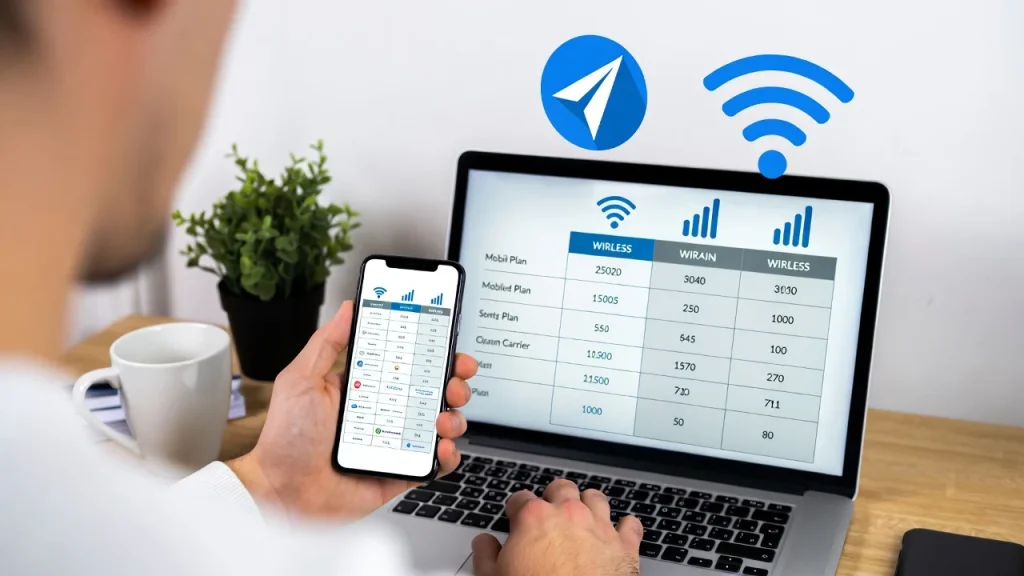
Step-by-Step Guide
- Research available providers in your area.
- Compare coverage maps and customer reviews.
- Verify that your phone is unlocked.
- Gather your account number and transfer PIN.
- Choose a new plan that fits your needs.
- Begin the number transfer process with the new provider.
- Activate your SIM card or eSIM.
- Confirm that calls, texts, and mobile data work properly.
During the transfer process:
- Do not cancel your old service first.
- Allow the new carrier to handle the port request.
- Keep both devices accessible during activation.
Most transfers complete within a few hours, although some can take up to one business day.
After activation:
- Test voice calls.
- Verify text messaging.
- Check data speeds.
- Review billing details.
Following these steps minimizes downtime and helps ensure a successful transition.
Expert Tips & Common Mistakes
Pro Tips
- Request your transfer PIN before starting.
- Take screenshots of your current plan details.
- Check for early termination fees or device balances.
- Test coverage using free trial programs when available.
- Review international roaming options if you travel frequently.
Common Mistakes to Avoid
- Canceling your old carrier too early.
- Ignoring phone compatibility requirements.
- Choosing based solely on promotional pricing.
- Overlooking hidden fees and taxes.
Many users focus exclusively on monthly cost and forget to evaluate coverage quality. Saving a few dollars each month may not be worthwhile if calls drop frequently or data speeds are slow.
Similarly, some customers fail to check whether their device is unlocked. A locked phone may not activate properly on a new network until the original carrier removes restrictions.
The best switch is one that improves both value and user experience.
“Consumers often overspend on flagship phones when a mid-range device would serve their needs just as well — or better.”— Marques Brownlee (MKBHD), Tech Reviewer & YouTube Creator
FAQs on How to Switch Cell Phone Providers Without Hassle
How do I switch cell phone providers and keep my number?
Provide your current account number and transfer PIN to the new carrier. They will handle the number porting process while your existing service remains active.
How long does it take to switch carriers?
Most transfers are completed within a few hours, although some can take up to 24 business hours depending on the provider and account status.
Do I need a new phone when switching providers?
Not necessarily. Many modern smartphones are compatible with multiple carriers, provided they are unlocked and support the required network bands.
Can I switch if I still owe money on my phone?
Yes, but you may need to pay off the remaining device balance or meet carrier-specific requirements before unlocking the phone.
What happens to my contacts and photos?
Your contacts, photos, apps, and files remain on your device. Switching carriers generally affects only your mobile service.
Are prepaid carriers worth considering?
Yes. Many prepaid providers offer excellent value, strong coverage, and flexible plans without long-term contracts.
What should I compare before choosing a provider?
Compare coverage, data speeds, pricing, customer support, international features, hotspot allowances, and future technology support such as advanced 5G services.
Conclusion
Understanding how to switch cell phone providers can help you save money, improve coverage, and gain access to better mobile features. Thanks to number portability regulations, eSIM technology, and simplified activation processes, changing carriers is far easier today than it was just a few years ago.
The key to a successful switch is preparation. Compare coverage carefully, verify device compatibility, gather your account information, and allow your new carrier to manage the transfer process. Whether you’re seeking lower costs, stronger 5G performance, or improved customer service, the right provider can dramatically enhance your mobile experience.
As wireless technology continues evolving with AI-powered smartphones, satellite connectivity, foldable devices, and next-generation networks, choosing the right carrier becomes just as important as selecting the right phone.
Explore more cell phone reviews, battery life tips, phone camera comparison guides, smartphone recommendations, and mobile technology resources at TheBestPeek to make smarter decisions about your digital life.
Sources
- Statista Wireless Industry Reports
- FCC Wireless Number Portability Resources
- GSMA Mobile Economy Reports
- Consumer Reports Wireless Carrier Rankings
- GSMArena Smartphone Network Compatibility Testing

Daniel Mitchell is a home appliances specialist with over a decade of hands-on experience testing, reviewing, and comparing everyday household products. He focuses on helping homeowners make smarter buying decisions through practical insights, real-world testing, and easy-to-understand advice. Daniel covers everything from kitchen appliances to smart home solutions, with a strong emphasis on performance, energy efficiency, and long-term reliability.